
Herbal Shampoo: Ingredients, Types & Hair Care

Herbal shampoo has a bit of an image problem. Half the people who pick up a bottle expect it to smell like a meadow and fix everything from frizz to a failing marriage. The other half assume it’s a soggy bar of something brown that a man with a beard sold them at a farmers’ market. The truth, as usual, sits somewhere in the sensible middle.
We’ve spent a lot of time (possibly too much, if you ask our friends) reading the backs of shampoo bottles. This guide is our herbal shampoo UK buyer’s guide, and it’s everything we’ve learned: what actually makes a shampoo herbal, which plant ingredients turn up on UK labels and why, the different types you’ll come across, and how to pick one that suits your hair rather than the one with the prettiest leaf on the front.
The short answer: a herbal shampoo is a shampoo that uses plant extracts, such as roots, leaves, seeds or flowers, as a meaningful part of its formula, alongside the cleansing ingredients that actually wash your hair. In the UK there’s no legal definition of “herbal”, so the only reliable way to judge one is to read the full ingredient list on the back, not the claims on the front.
What actually makes a shampoo “herbal”?
Here’s the bit the marketing departments would rather you skipped. Every shampoo, herbal or otherwise, needs something to lift oil and dirt off your scalp. That job is done by surfactants: ingredients with one end that loves water and one end that loves grease. Without them, you’re just rinsing your head with expensive tea.
So a herbal shampoo isn’t a shampoo without cleansers. It’s a shampoo where plant ingredients do real work alongside them. Usually that means extracts of roots, leaves, seeds or flowers chosen to calm the scalp, add shine, soothe itching or, in traditional formulas, support the hair at the root.
The trouble is that “herbal” can mean almost anything on a label. One brand might use a rich blend of seven botanicals. Another might wave a single sprig of chamomile at the formula and call it a day. Both can legally print a field of flowers on the bottle.
How to read a UK shampoo label like a professional
Cosmetics sold in the UK must list every ingredient using standard international names (the INCI system, if you fancy impressing someone at a dinner party). A few rules make that list surprisingly useful:
- Order matters. Ingredients above 1% must be listed in descending order of concentration. If the herb you’re paying for appears after the preservatives and the perfume, there isn’t much of it.
- Latin names are your friend. Plant ingredients are listed by their botanical names, so Panax Ginseng Root is ginseng and Glycyrrhiza Uralensis Root is Chinese liquorice.
- Aqua comes first in almost everything. That’s water, and it isn’t a con. Shampoo has to be liquid, after all.
- “Parfum” is a catch-all. Fragrance can be a blend of dozens of ingredients. If you have a sensitive scalp, keep an eye on it.
Once you know this, a five-second glance at the back of a bottle tells you more than five minutes of reading the front.
A short (and slightly nosy) history of washing hair with plants
Before anyone bottled anything, people across the world were washing their hair with whatever grew nearby. And a surprising amount of it worked.
In India, families boiled soapnuts (reetha) and the pods of shikakai, a climbing plant whose name roughly translates as “fruit for hair”. Both contain saponins, natural compounds that foam gently in water. Amla, the Indian gooseberry, was added for shine. The word “shampoo” itself comes from the Hindi chāmpo, meaning to press or knead, which is a lovely reminder that a good wash was always meant to include a decent scalp massage.
Here’s a fact to win a pub quiz with: shampooing arrived in Britain via Brighton. In 1814, an entrepreneur called Sake Dean Mahomed opened a bathhouse on the seafront offering “shampooing”, a therapeutic head and body massage. It became so fashionable that he was appointed shampooing surgeon to George IV. We like to think the king’s hair looked fabulous.
In China, herbal hair care has an even longer paper trail. Traditional Chinese medicine has always treated the scalp as the foundation of healthy hair, and classic formulas used herbs such as Sophora root (Ku Shen) in washes for an itchy or oily scalp. Rice water rinses are still famous in parts of southern China, where the Yao women of Huangluo are known for hair that reaches the floor. (We’ve tried rice water. Our hair did not reach the floor. Our kitchen did smell of risotto for a week.)
Back home, Victorian Britain went through a craze for rosemary and nettle hair washes, often steeped at home in vinegar or water. Some of these traditions have aged better than others. Nobody is bringing back the Victorian habit of washing hair once a month.
The herbs you’ll actually find in herbal shampoo
Here are the botanicals that turn up most often on UK shampoo labels, what they’re called in the ingredient list, and what they’ve traditionally been used for. A quick, honest note before the table: most of the evidence for these herbs is traditional or comes from small studies. They’re good reasons to choose a formula, not miracle cures, and anyone telling you otherwise is selling something.
| Herb | On the label as | Traditionally used for |
|---|---|---|
| Ginseng | Panax Ginseng Root | Energising the scalp; a staple of Chinese and Korean hair care |
| Chinese liquorice | Glycyrrhiza Uralensis Root | Soothing an irritated scalp |
| White mulberry leaf | Morus Alba Leaf | Nourishing hair and scalp in traditional Chinese formulas |
| Sophora root | Sophora Angustifolia / Flavescens Root | Herbal washes for an itchy, oily or congested scalp |
| Rhubarb root | Rheum Palmatum Root | Cleansing; used in Chinese herbal washes |
| Rosemary | Rosmarinus Officinalis Leaf | Stimulating, fresh-feeling scalp care |
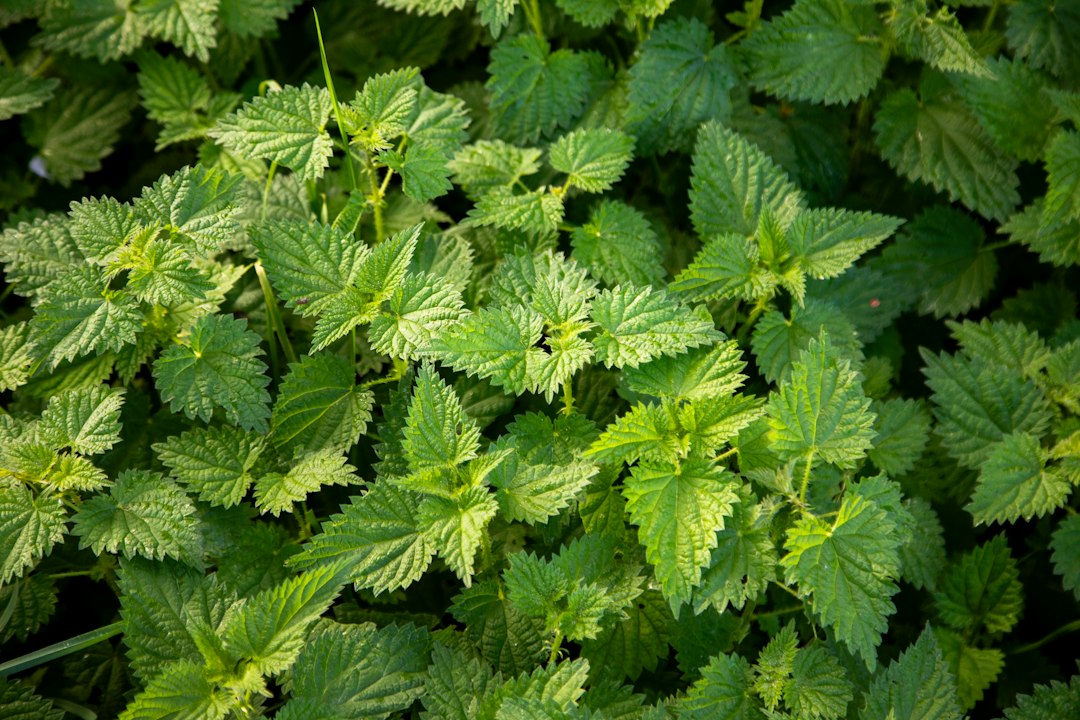
| Nettle | Urtica Dioica Leaf | Classic British and European hair rinse |
| Chamomile | Chamomilla Recutita Flower | Calming the scalp; brightening fair hair |
| Tea tree | Melaleuca Alternifolia Leaf Oil | Flaky scalps; one small study found a 5% tea tree shampoo helped mild dandruff |
| Peppermint | Mentha Piperita Oil | That cooling tingle, which most people love and some find too much |
| Amla | Phyllanthus Emblica Fruit | Shine and conditioning in Ayurvedic hair care |
| Hibiscus | Hibiscus Sabdariffa Flower | Softness and slip in Indian hair care |
If you want to go deeper on one of the most talked-about herbs of the last few years, our piece on rosemary oil and what the evidence actually says separates the TikTok hype from the research.
A note on Chinese herbal shampoo
Chinese herbal shampoos tend to look a little different from Western ones. Rather than leaning on one hero ingredient, they combine several herbs that traditional practice says work as a team, a bit like a well-balanced recipe where no single spice shouts over the others. You’ll often see five, seven or even more botanicals listed together, with names like Sophora, ginseng, liquorice and mulberry leaf.
The philosophy is simple and, frankly, quite sensible: look after the scalp first, and the hair growing out of it has a better start. That idea runs through everything we do at Herbal Hair, which is why our own formulas are built on traditional Chinese herbal blends.
The main types of herbal shampoo
Walk down any UK beauty aisle and you’ll find herbal shampoos in roughly six forms. None is “best”. The right one depends on your hair, your scalp and, let’s be honest, how much faff you’re willing to put up with in the shower.
1. Conventional base with herbal extracts
The most common type. A familiar cleansing base, often including a sulphate, with a meaningful blend of plant extracts added. These lather well, rinse easily and feel like the shampoo you’re used to, which is exactly why most people stick with them. The quality varies hugely, so check where the herbs sit in the ingredient list.
2. Sulphate-free herbal shampoo
These swap sulphates for milder cleansers, such as glucosides or betaines, which come from sugars and coconut. They’re gentler and popular with people who have dry, curly, coloured or sensitive hair. The trade-off is less foam, and sometimes a scalp that doesn’t feel quite as “squeaky” clean. (Squeaky, by the way, isn’t actually a good sign. Hair that squeaks has often been stripped of its natural oils.)
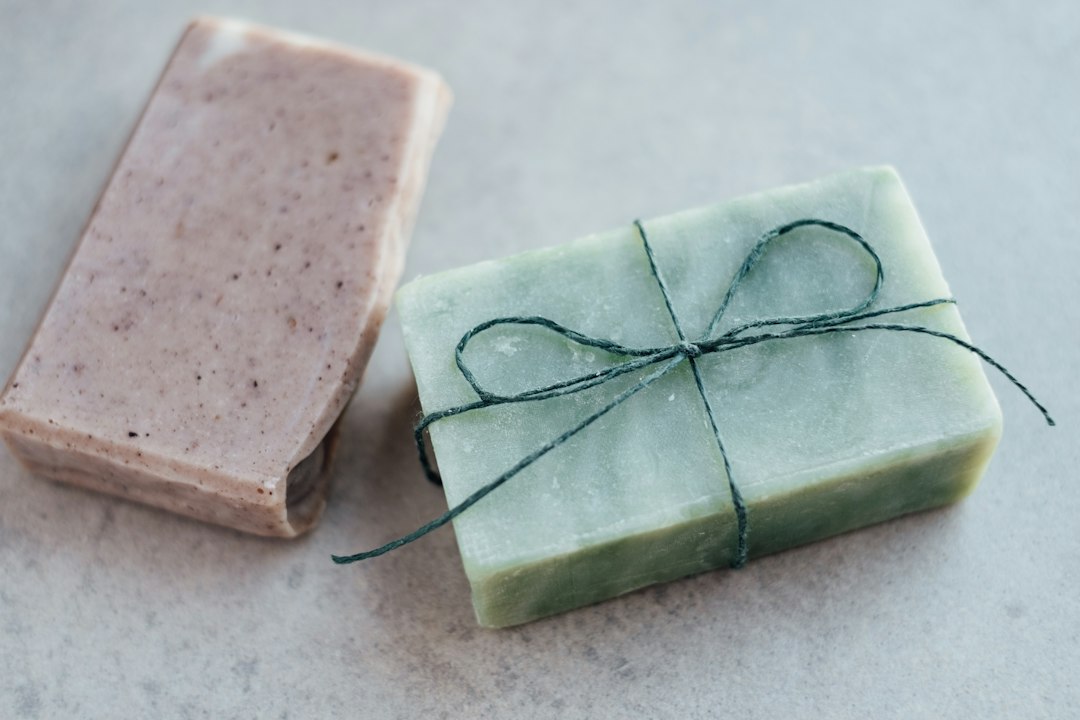
3. Shampoo bars
Solid shampoos are having a moment, mostly thanks to the plastic-free crowd. Good ones work well and travel brilliantly. Poorly made ones can leave a waxy residue, especially in hard water areas, which, if you live anywhere from London to Hull, probably includes you.
4. Powder and traditional washes
Shikakai, reetha and amla powders mixed with water into a paste. These are as close to the original herbal shampoo as it gets. They’re very gentle and very traditional, and they’re also a commitment. Expect your bathroom to look like a crime scene involving a spice rack.
5. Herbal shampoos for flaky or itchy scalps
These combine soothing botanicals with an ingredient that targets flakes, such as climbazole, piroctone olamine or salicylic acid. If dandruff is your main complaint, this is the category to look at. Persistent flaking that doesn’t improve deserves a chat with your pharmacist, though, because it isn’t always dandruff.
6. Traditional Chinese herbal formulas
As above: multi-herb blends built around scalp care, usually designed to be one step in a wider routine that also includes a leave-in scalp tonic. These suit people who are noticing more shedding or thinning and want a gentler, longer-term approach.
Herbal vs natural vs organic vs plant-based: what’s the difference?
These words get thrown around as if they mean the same thing. They don’t, and only one of them is properly regulated.
- Herbal means the formula contains plant extracts as a meaningful part of it. There’s no legal minimum.
- Natural has no legal definition for cosmetics in the UK. A natural shampoo might be 99% naturally derived or might simply contain one natural ingredient. Read the label.
- Organic is the one with teeth. If you see a recognised certification mark, such as the Soil Association or COSMOS logo, the product has been independently checked against strict standards.
- Plant-based usually means most of the ingredients come from plants rather than petrochemicals. Again, there’s no fixed rule.
- Vegan means no animal-derived ingredients, and cruelty-free means no animal testing. In the UK, testing cosmetics on animals has been banned since 1998 anyway, which is something to feel quite smug about.
The practical takeaway: don’t buy the adjective, buy the ingredient list.
Do sulphates belong in a herbal shampoo?
Ah, sulphates. Few ingredients have had worse PR since the invention of the Brussels sprout.
Sulphates are strong, effective cleansers. The best known are sodium lauryl sulfate (SLS), sodium laureth sulfate (SLES) and ammonium laureth sulfate. SLS is the harshest of the bunch, and on a sensitive or dry scalp it can leave things tight and irritated. The “laureth” versions are noticeably milder.
So are they the villain? Not really. For most people with normal or oily scalps, a well-formulated shampoo containing a milder sulphate is perfectly comfortable, especially when it’s balanced with soothing botanicals and conditioning agents. Sulphates are also very good at removing build-up from styling products, which gentler cleansers can struggle with.
Where sulphate-free shampoo really earns its place is for very dry, curly or colour-treated hair, eczema-prone scalps, and anyone who’s had a keratin treatment. If that’s you, choose a sulphate-free formula.
We’ll be straight with you, because it’s only fair: our own herbal shampoo is not sulphate-free. It uses ammonium laureth sulfate, the milder kind, alongside seven traditional Chinese botanicals, because we wanted a shampoo that cleans the scalp properly before a tonic goes on. If you need sulphate-free, we’d rather you knew that now than found out from the label.
How to choose a herbal shampoo for your hair type
Hair is wonderfully varied, and a shampoo that’s perfect for your best friend might turn your own hair into a haystack. Here’s a quick guide.
| Your hair or scalp | Look for | Go easy on |
|---|---|---|
| Fine or flat hair | Lightweight formulas, ginseng, rosemary, nettle | Heavy oils and rich butters |
| Thinning hair or extra shedding | Scalp-focused herbal blends; pair with a leave-in tonic | Harsh SLS formulas and very hot water |
| Oily scalp | Sophora, tea tree, peppermint, rosemary | Over-washing, which can make it worse |
| Dry or itchy scalp | Liquorice, chamomile, aloe; sulphate-free options | Strong fragrance and SLS |
| Flaky scalp | Herbal blends with climbazole, piroctone olamine or salicylic acid | Scratching (we know, easier said than done) |
| Curly or coily hair | Sulphate-free, hibiscus, amla, moisturising botanicals | Daily washing |
| Coloured hair | Sulphate-free formulas made for colour | Clarifying shampoos |
If your hair is fine
Fine hair has a talent for looking flat by lunchtime. The answer is usually a lighter shampoo, not more of it. Thick, creamy formulas packed with oils weigh fine strands down. A clear or lightly pearlescent herbal shampoo, used on the scalp rather than piled onto the lengths, gives the roots a better chance of standing up for themselves.
If your hair is thinning
This is where a lot of our customers start. Let’s set expectations honestly: no shampoo can change your genetics, and anyone who promises a full head of hair from a bottle is having you on. What a good herbal shampoo can do is keep the scalp clean, calm and free of build-up, so it’s in good shape for the leave-in products that do the heavier lifting. If shedding comes on suddenly, arrives in patches or comes with other symptoms, please see your GP. The NHS hair loss guidance is a good, calm place to start.
What celebrities can teach us about looking after hair
If you think celebrities wake up with perfect hair, we have some news. Many of them have teams of stylists, colourists and trichologists on speed dial. On a big film or TV production, like the period and fantasy series made by Little Schmidt Productions, there’s often a whole hair department keeping every look consistent from one scene to the next. And even then, hair has a habit of humbling the rich and famous.
Jada Pinkett Smith has spoken openly about alopecia since revealing her diagnosis on her show Red Table Talk in 2018. In 2021 she shaved her head altogether. Her honesty did a huge amount to take the shame out of hair loss for women, and it’s a reminder that some conditions are medical, not a matter of picking the wrong shampoo.
Naomi Campbell, one of Britain’s most famous faces, has had her hairline discussed in the press for years. Specialists widely put it down to traction alopecia, hair loss caused by years of tight weaves and extensions pulling on the roots. The lesson for the rest of us is simple: tension is the enemy. Rotate your hairstyles, loosen the ponytail and give your hairline a holiday now and then.
And who could forget Wayne Rooney? In 2011 he simply told his Twitter followers he was “going bald at 25 why not” and confirmed a hair transplant, years before most famous men would admit to anything of the sort. Love him or not, he made it far easier for British men to talk about thinning hair.
The common thread? Hair problems happen to everyone, including people with unlimited budgets. The basics still matter most: gentle washing, a healthy scalp, less tension and heat, and patience. Nobody’s scalp, however famous, can skip the hair growth cycle.

How to wash your hair properly with a herbal shampoo
You’ve been washing your hair since you were tiny, so this feels like being taught to boil an egg. Bear with us, because a few small changes make a real difference.
- Brush first. A quick brush before you get in the shower loosens dirt and flakes and stops knots turning into dreadlocks under the water.
- Use warm, not hot, water. Very hot water strips natural oils and can leave the scalp irritated. Your scalp is not a frying pan.
- Wet your hair thoroughly. A good soak means the shampoo spreads with less product and less rubbing.
- Shampoo the scalp, not the ends. Work a small amount into the scalp with your fingertips (never your nails). The suds that rinse through will clean the lengths on their own.
- Massage for a minute. Remember the Hindi origins of the word: a gentle press-and-knead massage is half the point. It also feels lovely, which is reason enough.
- Rinse properly. Most “my hair feels heavy” complaints are really “I didn’t rinse long enough” complaints.
- Condition the lengths only. Keep conditioner off the scalp if your roots get flat or oily.
Our step-by-step guide on how to use our herbal shampoo goes into more detail, including why that one-minute massage matters.
How often should you use herbal shampoo?
There’s no single right answer. It depends on your scalp, your hair type, how much you exercise and, frankly, how much hairspray you get through. Many people with thinning or shedding hair do well washing two or three times a week. Oily scalps may need more; curly and coily hair often needs less. We’ve written a whole guide on how often you should wash your hair if you’d like the full picture.
One myth worth busting while we’re here: washing your hair doesn’t make it fall out. The hairs you see in the plughole had already finished growing and would have come out anyway. Losing somewhere between 50 and 100 hairs a day is completely normal.
Herbal shampoo and hair loss: what to realistically expect
Let’s address the elephant in the bathroom. A lot of people looking at herbal shampoos are worried about thinning or shedding. That’s completely understandable, and it deserves a straight answer rather than a sales pitch.
Shampoo is a rinse-off product. It sits on your scalp for a minute or two and then disappears down the drain. That’s long enough to cleanse, soothe and leave the scalp in good condition, but it’s not long enough for any shampoo, herbal or otherwise, to transform your hair on its own.
What a gentle herbal shampoo can realistically do:
- Keep the scalp clean and free of the oil and build-up that can leave hair looking flat and thin.
- Avoid the irritation that harsher formulas can cause, which matters if your scalp is already unhappy.
- Help hair look fuller and feel thicker after washing.
- Prepare the scalp for leave-in tonics that stay put long enough to make more of a difference.
This is why we always suggest pairing a shampoo with a leave-in product. In our own range, that means following the shampoo with the Hair Loss Prevention Scalp Tonic, and using the Scalp Cleanser when build-up needs extra attention.
And give it time. Hair grows roughly a centimetre a month, and the full growth cycle takes months, not weeks. Our guide to understanding the hair growth cycle explains why patience is the most underrated ingredient in any routine. If you’re not sure what’s behind your shedding in the first place, start with why your hair might be falling out.
Five herbal shampoo myths we’d happily never hear again
Myth 1: “If it doesn’t foam, it isn’t working.”
Foam is mostly theatre. Plenty of gentle cleansers produce very little lather and still clean beautifully. Big bubbles are lovely, but they’re not a measure of clean.
Myth 2: “Natural means it can’t irritate.”
Deadly nightshade is natural. So are nettles, as anyone who’s walked through a field in shorts can tell you. Some botanicals, especially essential oils, can irritate sensitive skin. Patch test if you’re prone to reactions.
Myth 3: “Your hair gets used to a shampoo, so you should switch.”
Your hair doesn’t build up a tolerance like a teenager to caffeine. What changes is your hair and scalp: the seasons, hormones, stress, a new colour. Switch if your needs change, not out of habit.
Myth 4: “Herbal shampoo is weak and won’t clean properly.”
A well-made herbal shampoo cleans just as well as a mainstream one. The herbs are there alongside effective cleansers, not instead of them.
Myth 5: “Cold water seals the cuticle and doubles your shine.”
A cool final rinse feels bracing and may help hair lie a little smoother, but it isn’t magic. Do it if you enjoy it. If you don’t, nobody will tell.
Where the Herbal Hair shampoo fits in
We’d be a funny sort of brand if we wrote this whole guide and didn’t mention our own bottle, so here’s the honest summary.
Our herbal shampoo for thinning hair is built around seven traditional Chinese botanicals: Sophora root, Panax ginseng, Vaccaria seed, Chinese liquorice, white mulberry leaf, Phryma and rhubarb root. It uses a mild laureth sulphate to cleanse, plus climbazole, an ingredient widely used in shampoos that help with dandruff. It’s vegan and cruelty-free, and it’s designed for everyday washing, usually two or three times a week.
It’s meant to be the first step in a routine rather than the whole routine. Wash with the shampoo, then follow with a leave-in scalp tonic. You can see the whole herbal hair and scalp care range if you’d like to build your own.
Frequently asked questions about herbal shampoo
What is herbal shampoo?
Herbal shampoo is shampoo that includes plant extracts, such as roots, leaves, seeds or flowers, as a meaningful part of its formula alongside the ingredients that cleanse the hair. In the UK, “herbal” has no legal definition, so check the ingredient list to see which herbs are included and how high up the list they appear.
Is herbal shampoo better for your hair?
It can be gentler and more scalp-friendly than some harsh everyday shampoos, especially if your scalp is sensitive, itchy or oily. Whether it’s “better” depends on the formula and your hair type. A good herbal shampoo should clean properly and leave your scalp comfortable.
Can herbal shampoo help with hair loss?
A herbal shampoo can help keep the scalp clean and healthy and help hair look fuller, but no shampoo on its own can reverse hair loss or change your genetics. For thinning or extra shedding, use it alongside a leave-in scalp tonic, give it at least three months, and see your GP if the loss is sudden or patchy.
Is herbal shampoo sulphate-free?
Not necessarily. Some herbal shampoos are sulphate-free and some, including ours, use a milder sulphate. If you need a sulphate-free formula for dry, curly or colour-treated hair, check the ingredient list for “sulfate” before you buy.
How often should I use herbal shampoo?
Most people do well washing two or three times a week. Oily scalps may need more frequent washing, while curly and dry hair usually needs less. Washing doesn’t cause hair loss, so wash as often as your scalp needs.
What is Chinese herbal shampoo?
Chinese herbal shampoo uses blends of herbs from traditional Chinese medicine, such as Sophora root, ginseng, liquorice and mulberry leaf. Rather than relying on one hero ingredient, these formulas combine several herbs with the aim of caring for the scalp as the foundation of healthy hair.
Is herbal shampoo safe for coloured hair?
Many are, but sulphate-free herbal shampoos are the safest choice for coloured hair because sulphates can fade colour faster. Some herbs, such as chamomile, can also gently brighten fair hair over time, so blondes who want to stay a particular shade should keep that in mind.
Where can I buy herbal shampoo in the UK?
Herbal shampoos are widely available from UK pharmacies, health food shops and online specialists. Herbal Hair ships its Chinese herbal shampoo across the UK, so you can order it straight from our shop.
The bottom line
A good herbal shampoo isn’t magic, and it isn’t a gimmick either. It’s a well-made cleanser with plant ingredients that earn their place, chosen to look after your scalp as well as your hair. Read the back of the bottle, match the formula to your hair type, wash gently and give anything you try a fair few months before you judge it.
And if all else fails, remember that even Wayne Rooney and Naomi Campbell have had their hair dramas. You’re in excellent company.
This guide is for general information and isn’t medical advice. If you’re worried about sudden, patchy or heavy hair loss, please speak to your GP or a qualified trichologist.