
Does Wearing a Hat Cause Hair Loss? The Facts Explained

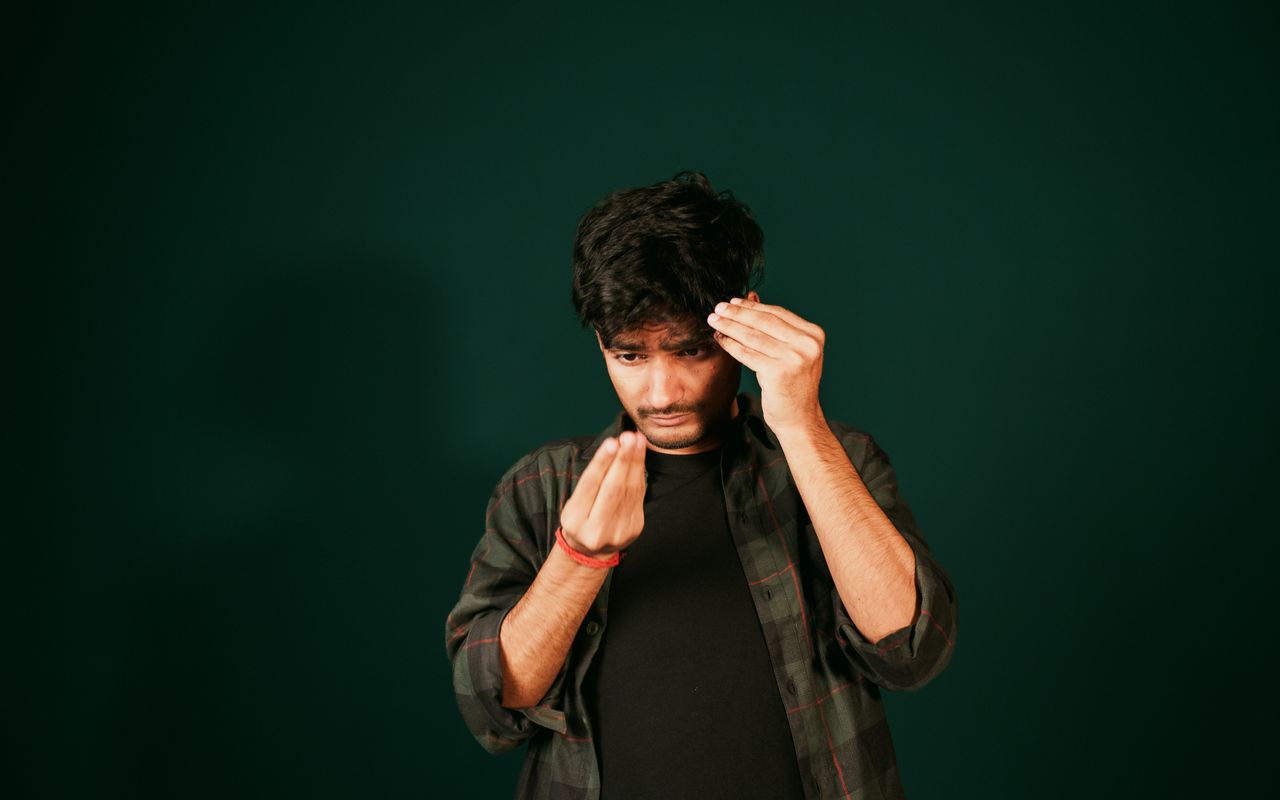
Does wearing a hat cause hair loss? For most people, the answer is no. Wearing an ordinary hat, cap or beanie is not an established cause of baldness or permanent hair loss. However, very tight headwear that repeatedly pulls on the hair may contribute to hair breakage or traction alopecia, a form of hair loss associated with prolonged tension on the hair follicles.
Whether you wear a baseball cap every day, a winter beanie or a hat at work, understanding the difference between everyday headwear and excessive pressure can help you make informed decisions about your haircare routine.
Can Wearing a Hat Cause Hair Loss? What Does the Research Say?
The belief that hats cause baldness has existed for years, but scientific evidence does not support a direct link between normal hat-wearing and hair loss.
According to Cleveland Clinic, research involving identical twins has not established that wearing hats increases hair thinning.
Dermatologist Dr John Anthony explains:
“This is a tough question to answer because the topic has not been well-studied.”
The distinction is important. Although research specifically investigating hats remains limited, the available evidence does not suggest that comfortable, properly fitted headwear causes typical male or female pattern hair loss.
Genetics, hormonal influences, certain health conditions and other factors may contribute to changes in hair density. Ordinary hat-wearing is not considered a primary cause.
However, there is one important exception: repeated pulling or friction from excessively tight headwear.
Can Tight Hats Cause Hair Loss?
A hat that fits comfortably is unlikely to affect your hair follicles. Problems may arise when headwear consistently grips, pulls or rubs against the same areas of hair.
The British Association of Dermatologists explains that prolonged pulling on the hair can cause a condition called traction alopecia.
This is most commonly associated with tight hairstyles, including ponytails, braids and hair extensions. Certain tightly secured head coverings may also contribute to the problem.
Signs that headwear or a hairstyle may be placing unnecessary tension on your hair include:
- A pulling sensation around your hairline
- Persistent scalp tenderness or discomfort
- Repeated rubbing around the forehead or temples
- Broken hairs in areas exposed to friction
- Localised thinning where tension is repeatedly applied
These signs do not necessarily mean that wearing a hat has caused hair loss. However, discomfort is a good reason to reconsider the fit of your headwear.
If you notice persistent thinning, scalp inflammation or changes in your hairline, seek advice from a qualified healthcare professional.
Does Wearing a Cap Cause Hair Loss?
Baseball caps are among the most common types of everyday headwear. Fortunately, wearing a baseball cap does not normally cause hair loss.
The main consideration is how the cap fits and how it is worn.
A comfortably fitted cap should not place significant tension on the hair. However, a cap that is consistently too tight, particularly around the hairline, may create unnecessary friction or pulling.
If you regularly wear a cap, consider the following:
- Choose an adjustable cap that fits comfortably.
- Avoid pulling the cap tightly against your hairline.
- Be gentle when removing it, particularly if your hair becomes caught.
- Clean your cap regularly according to its care instructions.
- Avoid securing your hair in an excessively tight style underneath.
These everyday habits can make wearing a cap more comfortable while helping you care for your hair.
Can Wearing a Hat Every Day Cause Hair Loss?
Wearing a hat every day does not automatically increase your risk of hair loss.
The length of time you wear a hat is less important than whether it consistently creates excessive tension or rubbing.
For example, wearing a loose-fitting hat for several hours is different from wearing tightly secured headwear that repeatedly pulls on the same areas of hair.
According to the American Academy of Dermatology, repeated tension and friction can contribute to certain forms of hair damage or hair loss.
If you wear a hat regularly for work, outdoor activities or personal preference, focus on comfort, fit and sensible haircare.
There is usually no need to stop wearing hats simply because you are concerned about thinning hair.
Hair Breakage vs Hair Loss: Understanding the Difference
One reason people associate hats with hair loss is that they may notice loose or broken strands after removing their headwear.
However, hair breakage and hair loss are not the same thing.
Hair breakage occurs when the hair shaft snaps. Hair shedding occurs when a strand is released from the follicle as part of the hair growth cycle. Different types of hair loss may involve changes within the follicle itself.
| Hair breakage | Hair shedding or hair loss |
| Hair shaft breaks along its length. | Hair is shed from the follicle or hair density changes. |
| May leave shorter, uneven strands. | May produce noticeable thinning or increased shedding |
| Can be associated with friction, heat or styling damage | Can have genetic, hormonal, medical or mechanical causes |
| Gentle handling may help limit additional damage. | Persistent or unexplained changes may need professional assessment. |
Repeated friction from headwear may contribute to hair shaft damage, particularly when hair is already fragile.
This is different from saying that wearing a hat causes baldness.
For additional advice on everyday care, read our guide to daily haircare habits.
Can Wearing Hats Make Your Scalp Unhealthy?
Wearing a hat does not automatically make your scalp unhealthy.
However, the way you care for your scalp and headwear can influence everyday comfort.
During exercise or warm weather, sweat, natural scalp oils and residue may accumulate inside a hat. Some people may notice temporary itchiness or discomfort, particularly when wearing damp or poorly fitting headwear.
This does not mean that sweat itself causes permanent hair loss.
Good habits include cleaning reusable headwear, allowing damp hats to dry thoroughly and choosing comfortable materials suited to your activities.
If your scalp is persistently itchy, painful, inflamed or flaky, it is worth seeking professional advice rather than assuming your hat is responsible.
Do Hats Stop Hair Follicles from Breathing?
No. This is another common misconception.
Hair follicles receive oxygen and nutrients through the blood supply rather than directly from the surrounding air.
Consequently, covering your hair with a hat does not suffocate the follicles or stop hair growth.
As explained in McGill University’s Office for Science and Society, ordinary hat-wearing is not a credible explanation for hair follicles being deprived of oxygen.
Are Certain Types of Hats Better for Your Hair?
There is no single type of hat that guarantees better hair health.
The most useful considerations are comfort, fit and avoiding unnecessary friction.
| Type of headwear | Haircare consideration |
| Baseball caps | Choose an adjustable fit that does not pull around the hairline |
| Winter beanies | Avoid excessive tightness and rough removal that catches strands |
| Wide-brimmed hats | Can provide useful shade for the scalp during sunny weather |
| Sports caps | Wash regularly and allow them to dry after exercise |
| Work headwear | Check for repeated pressure, rubbing or discomfort |
If you have delicate or easily tangled hair, you may prefer headwear with a smooth inner surface.
The goal is not to find a special hat that prevents hair loss. It is simply to reduce unnecessary pulling and friction.
How to Care for Your Hair If You Wear Hats Regularly
You do not need an elaborate routine to care for your hair when wearing hats.
A few consistent habits can help maintain clean, manageable hair and a comfortable scalp.
1. Keep Your Hair and Scalp Clean
Choose a shampoo suited to your hair type, scalp condition and washing preferences.
Regular cleansing helps remove everyday oil, sweat and product build-up. Washing frequency will depend on your hair texture, lifestyle and individual needs.
For those interested in traditional botanical haircare, Herbal Hair’s Anti Hair Fall Shampoo is formulated with Chinese herbal ingredients as part of a cleansing and scalp-care routine.
A cosmetic shampoo can support everyday haircare but should not be considered a treatment for underlying medical causes of hair loss.
2. Avoid Excessively Tight Hairstyles
If you wear long hair under a cap or beanie, try not to pull it into a tightly secured ponytail or bun.
The American Academy of Dermatology recommends limiting hairstyles that place repeated tension on the hair.
Consider a looser style that sits comfortably beneath your headwear.
3. Handle Your Hair Gently
Avoid pulling, tugging or aggressively brushing tangled hair.
Use a suitable conditioner when needed and detangle carefully, particularly if your hair is prone to snapping.
Gentle handling can help reduce avoidable mechanical damage.
4. Keep Your Headwear Clean
Follow the manufacturer’s washing instructions and allow headwear to dry before wearing it again.
This is particularly helpful for caps used during exercise or outdoor activities.
5. Pay Attention to Changes in Your Hair
Everyone experiences normal hair shedding as part of the hair growth cycle.
However, sudden changes in hair density, distinct bald patches or persistent scalp symptoms deserve attention.
If you are concerned about unexplained hair loss, speak to your GP or an appropriately qualified dermatologist.
When Should You Seek Professional Advice About Hair Loss?
If you notice thinning hair while regularly wearing a hat, do not automatically assume that the hat is responsible.
Hair loss can have several underlying causes, and determining the reason is important.
Consider professional assessment if you experience:
- Sudden or noticeable hair shedding
- Distinct bald patches
- Persistent scalp itching, redness or soreness
- Progressive thinning around the hairline or crown
- Hair loss that is affecting your confidence or wellbeing
A healthcare professional can help investigate the cause and explain suitable next steps.
Frequently Asked Questions
1. Will Wearing a Hat Cause Hair Loss?
Ordinary hat-wearing is not an established cause of hair loss. Most hats and caps can be worn comfortably without affecting hair follicles. Excessively tight headwear that repeatedly pulls on the hair may contribute to mechanical damage or traction-related hair loss.
2. Does Wearing a Hat Promote Hair Loss?
There is no convincing evidence that wearing an ordinary hat promotes male or female pattern hair loss. Repeated tension or friction from tightly secured headwear is a separate concern.
3. Can Wearing a Hat Cause Baldness?
Wearing a normal, comfortable hat does not cause genetic pattern baldness. However, prolonged pulling on the hair can contribute to traction alopecia in certain circumstances.
4. Does Wearing a Cap Cause Hair Loss Around the Hairline?
A properly fitted cap is unlikely to cause hair loss around the hairline. If the cap repeatedly pulls or rubs against the same area, it may contribute to hair damage. Persistent hairline changes should be assessed professionally.
5. Can Wearing a Beanie Every Day Damage Your Hair?
Wearing a beanie daily is not inherently harmful. However, tight-fitting or rough headwear may cause friction or tangling, particularly in fragile hair. A comfortable fit and gentle removal are sensible precautions.
6. Does Wearing a Hat Make Your Hair Thinner?
Wearing a hat does not normally make hair thinner. If you notice gradual thinning, other causes may be involved. Avoid assuming that your headwear is responsible without appropriate assessment.
7. Can Wearing a Hat Cause Hair Loss in Women?
Ordinary hat-wearing is not an established cause of female pattern hair loss. Women, like men, may experience hair damage from repeated friction or pulling, particularly when tight hairstyles are combined with headwear.
Final Thoughts: Should You Stop Wearing Hats?
For most people, there is no reason to stop wearing hats because of concerns about hair loss.
Scientific evidence does not establish a connection between normal hat-wearing and baldness. The main concern involves excessive friction or persistent tension from poorly fitting headwear or tight hairstyles.
Choose comfortable hats, handle your hair gently and maintain a regular cleansing routine that suits your scalp.
Most importantly, remember that noticeable hair thinning can have several causes. If you are experiencing persistent or unexplained changes, seek professional advice.
For more everyday haircare information, explore Herbal Hair’s educational guides and botanical haircare range.